
There are witches who cast fire from their fingertips.
And there are witches who keep herbs drying above the stove, who remember the old names, and who inherit houses that creak with memory.
The stories on this list lean toward the second kind.
These are novels where magic is not spectacle but rather lineage. It’s sisterhood. It’s land that remembers what people try to forget. Some are historical. Some are contemporary. Some are mythic. But all of them understand that witchcraft, at its heart, is about power reclaimed.
If you’re drawn to stories where women inherit more than silver and china…where houses whisper and the past presses close…these books belong on your shelf!
(In no particular order, because magic rarely is.)
This is witchcraft as inheritance, which is passed from mother to daughter and braided through centuries of survival. It’s not flashy magic. It’s the kind that lives in kitchens and whispered warnings. This is a sweeping, generational story about what women carry and what they refuse to lose.
Why it lingers: It treats magic as legacy…something sacred and costly.
If you believe houses remember things and sisters share more than blood, this one feels like coming home. The Owens women love fiercely, curse accidentally, and try—always—to live ordinary lives even though they’re extraordinary.
Why it works: The magic is secondary to the ache the Owens sisters feel about belonging.
Circe is about a lonely goddess who discovers her power in exile. This is a myth told in a voice that feels so intimate and human. She is a woman stepping into her own wildness. Circe’s magic isn’t spectacle. It’s truly a reclamation.
Why it stands out: It reframes a “villain” into a woman who chooses herself.
This book is gothic, windswept, and slow-burning. A family retreats to the countryside only to discover grief has its own haunting. The magic here emerges like mist. It’s subtle, dangerous, and undeniable.
Why I love it: The atmosphere feels like a living character.
 House of Spells & Secrets, by Ivy Cassidy
Three sisters return to a house that remembers what the past and longs for the future. The walls hold whispers. The past presses close. This is a story about inherited magic, sisterhood, and the cost of keeping silence for too long.
Why it belongs on this list: The magic is woven into family history. It’s protective, powerful, and deeply emotional.
In this book, a modern scholar uncovers an old Salem secret hidden in a book of remedies. History and the present braid together in a way that feels both scholarly and spellbound.
Why it’s compelling: It explores the thin line between archival record and inherited memory.
When Connie Goodwin discovers that witchcraft runs in her bloodline, it isn’t theatrical or flashy — it’s deeply personal. A family secret resurfaces, tangled in Salem history and academic ambition. Magic here feels inherited, restrained, and quietly powerful.
Why it belongs here: This book explores lineage, secrecy, and what happens when a woman steps fully into the truth of who she is. The witchcraft is all about legacy, and that makes it resonate.
Vineyards, curses, and a woman determined to reclaim her craft! This book is lush and sensual and rooted in the land. The magic is slow and intoxicating.
Why it enchants: Setting and spellwork are inseparable.
A green-skinned girl grows up misunderstood. What if the “wicked” woman was simply inconvenient? This retelling peels back myth to examine prejudice, politics, and perception. and it’s been made into two fantastic movies!
Why it endures: It asks who gets to define good and evil.
This novel takes place on a remote Scottish island. There’s a crumbling lighthouse and a mother who paints birds that feel almost alive. When children disappear and centuries-old witch lore resurfaces, the past refuses to stay buried.
Why it belongs here:
This novel treats witchcraft as something that seeps into families and landscapes. The emotional stakes are rooted in motherhood and legacy, which is perectly aligned with the themes of houses that remember and histories that whisper.
This book is scholarly, romantic, and steeped in history. A reluctant witch discovers an ancient manuscript and a destiny she can’t ignore. Think libraries, longing, and forbidden alliances. Plus, it was made into a great TV series! Another bonus!
Why it captivates: Intellectual magic meets epic romance.
In a crumbling New Orleans mansion, a brilliant neurosurgeon is drawn back into her family’s long, dark history and a legacy of witches whose power has always come with a price.
The magic is seductive, dangerous, and threaded through centuries of family secrets. It’s so good!
Why it belongs here:
This book explores what happens when a woman confronts the truth of her bloodline. The house and the lineage matter. The past refuses to release its hold and it’s about witchcraft as legacy.
This one is about three women running a tea shop in Victorian New York. There’s fortune-telling. Spiritualism. Survival. Magic tucked inside everyday enterprise. I read it for my book club and we all adored it.
Why it delights: It blends independence and enchantment beautifully.
This book is set against the backdrop of the 1612 Pendle witch trials. It follows a young noblewoman whose survival depends on a midwife rumored to possess dangerous knowledge. The world is rigid, patriarchal, watchful…and yet women still find ways to protect one another.
The magic is herbal and rooted in community and intuition.
Why it belongs here:
This book centers on female alliance in the face of fear. It treats witchcraft as misunderstood wisdom…as the sacred knowledge passed quietly between women.
This book has Celtic roots, family prophecy, and a fight against an ancient enemy. It’s sweeping, romantic, and rooted in Irish soil.
Why it satisfies: Legacy-driven magic meets epic love, which is always great.
In this book, a rigid, patriarchal settlement is bordered by a forbidden forest. A young woman begins hearing whispers no one else can. The woods hold secrets and the past holds warnings. And what has been buried refuses to stay silent.
Why it belongs here:
This book explores how women’s power is feared, controlled, and ultimately reclaimed. The witchcraft is dangerous, but not because it’s evil. It’s because it disrupts control.
This one is told from the perspective of an aging woman in a suspicious village. The novel leans into paranoia and faith turned dangerous.
Why it’s unsettling: It captures how fear is isolating. It’s haunting!
In this book, modern sisters with ancient power try to live quietly…and fail spectacularly. It’s glamorous and dramatic.
Why it’s fun: Family secrets with a glossy edge. What’s not to love?
A daughter watches her mother being accused during the Salem trials in this novel. It’s personal, intimate, and devastating.
Why it resonates: The emotional stakes in this book feel heartbreakingly real.
Here a woman accused of witchcraft tells her story in her own words. It’s lyrical and tragic, with a sense of inevitability that aches.
Why it stays with you: It centers on the silenced.
In this novel, witches are tied to the seasons, and one girl may be powerful enough to shift the climate itself. The magic is elemental and cyclical, rooted in earth and time.
Why it’s amazing:
It keeps the land connection but centers active witchcraft. Power here is inherited, rare, and costly.
Here three sisters in 1890s New Salem discover that the old words—the forgotten ones—still hold power. In a world where suffrage marches through the streets and men police what women may speak, witchcraft becomes rebellion. Spellwork is stitched from nursery rhymes and kitchen chants. Magic rises not from spectacle, but from language reclaimed.
Why it belongs here: This book treats witchcraft as resistance and sisterhood. The magic is political, personal, and rooted in women refusing to be quiet.
This one is about the Owens siblings before Practical Magic. It showcases youth, longing, and the realization that love can be both a blessing and a curse.
Why it enchants: It”s magic as a metaphor for vulnerability. Plus, it’s Alice Hoffman!
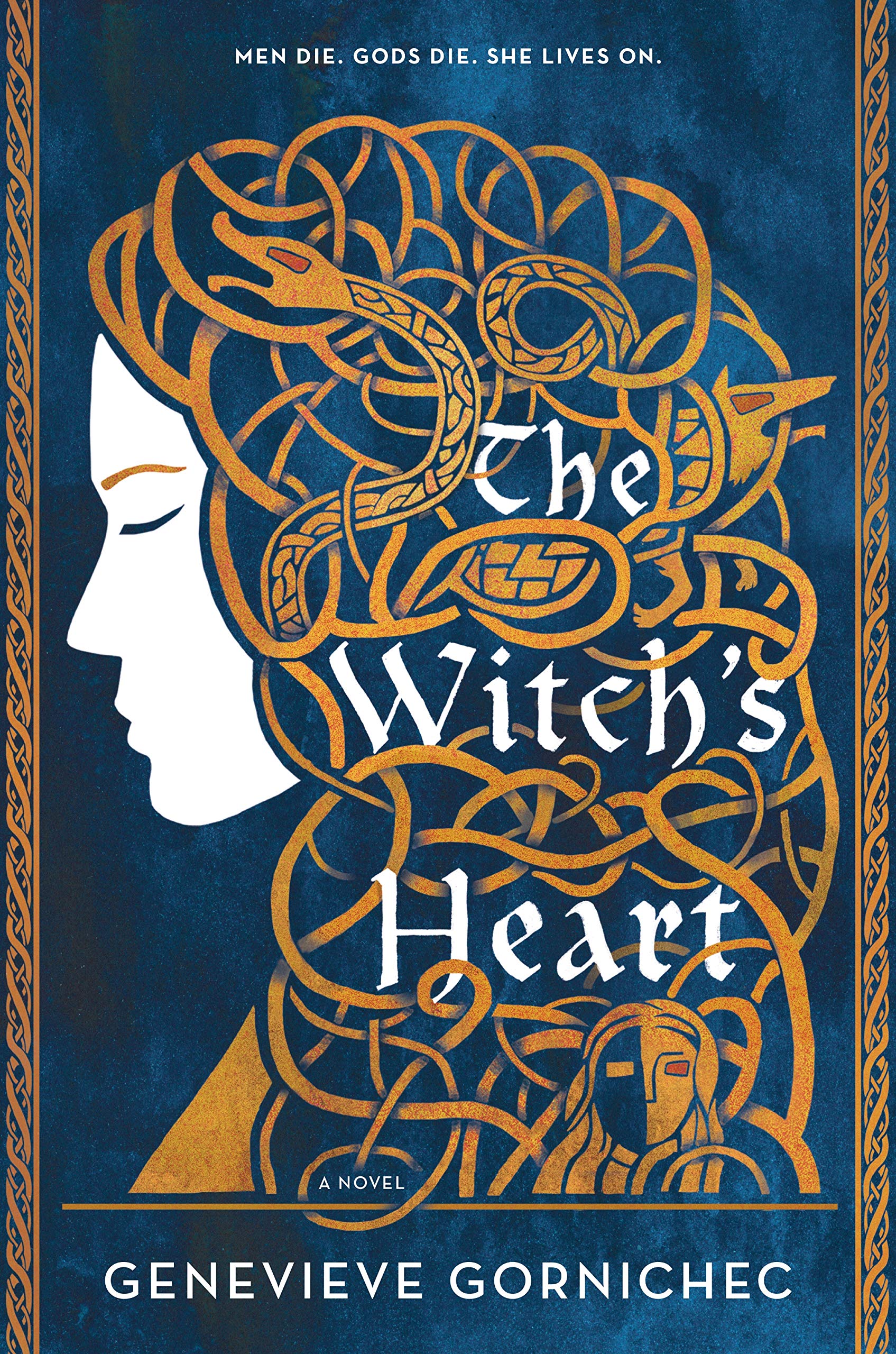 The Witch’s Heart, by Genevieve Gornichec
Told from the perspective of Angrboda—the witch of Norse legend—this novel is about reclaiming a woman’s history reduced to a footnote. Banished, burned, and hunted, she retreats to the forest where she builds a life rooted in love, motherhood, and quiet strength. Her magic is elemental and intimate, tied to earth and prophecy.
Why it belongs here: This book reframes myth through a deeply emotional lens. This is witchcraft as survival, as devotion, and as legacy. It honors the women whose stories tried to erase them, and gives them their voice back.
Witch stories endure because they are rarely just about spells.They are about who gets silenced, who gets blamed, who survives, and who remembers.
These novels return to the same truth…that knowledge passed between women is powerful…and power unsettles.
If you’re searching for stories where magic is braided through memory, sisterhood, and the land itself, I hope this list guides you somewhere meaningful.
And if you find yourself drawn to houses that keep secrets and sisters who must decide whether to break them…you might feel very at home inside House of Spells & Secrets.